Studies

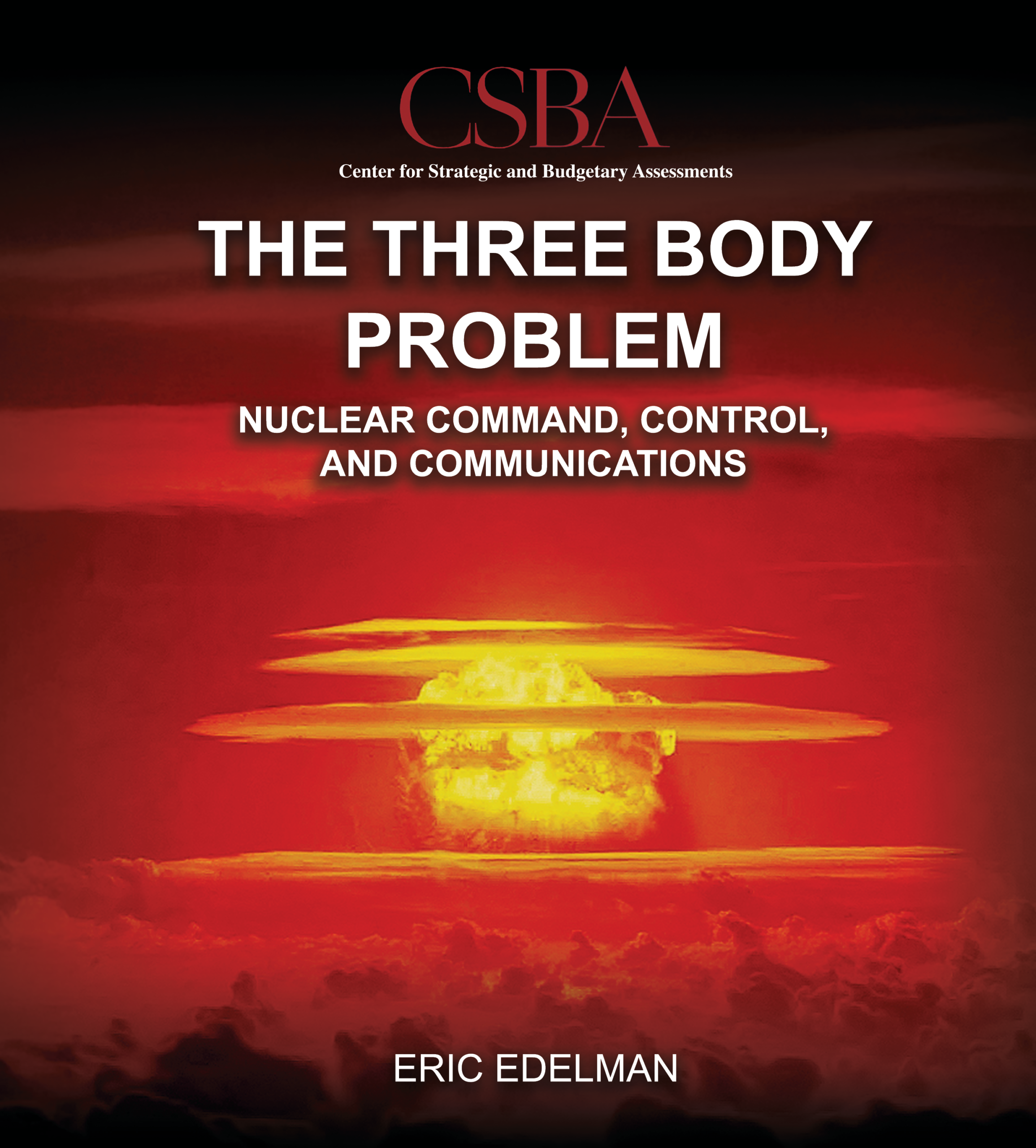
The Three-Body Problem: Nuclear Command, Control, and Communications

Eric Edelman discusses the novel challenge facing the United States: the need to simultaneously deter two nuclear peers. He provides an overview of Chinese and Russian nuclear capabilities and the importance of modernizing the U.S. system of nuclear command, control, and communications as a key enabler in deterring nuclear decapitation.

Studies

Choosing Less Bang for Buck: The Underutilization of Advanced Energetics

Tyler Hacker and Luke Widenhouse assess the potential military, economic, and industrial advantages of energetic materials in great power conflict and examine the barriers that have historically impeded energetics innovation. They discuss the tactical, operational, and strategic capabilities of energetics munitions and how to integrate them into the U.S. arsenal.

Studies

Arsenal in Transition: Lessons from World War II Industrial Conversion

  • April 14, 2026
  • Chad Wanek
  • Policy & Strategy

Captain Chad P. Wanek examines the U.S. automotive industry’s conversion to wartime production during World War II. Using tank manufacturing as a case study, the analysis shows how the United States overcame corporate-regulatory friction, mitigated infrastructure shortages, and adapted to continuous design changes while scaling production of complex systems. 

Studies

Breaking the Double Bind: U.S. Defense Strategy and Multi-Theater Deterrence

Vice President of Research and Studies Evan B. Montgomery discusses how the U.S. defense strategy needs to adapt to the evolving threat from China in a multi-theater, multi-rival world To better compete with China and manage other rivalsWashington should embrace a strategy of minimum essential denial and protracted punishment.  

  • Type:

  • Research Area:

  • Expert: